
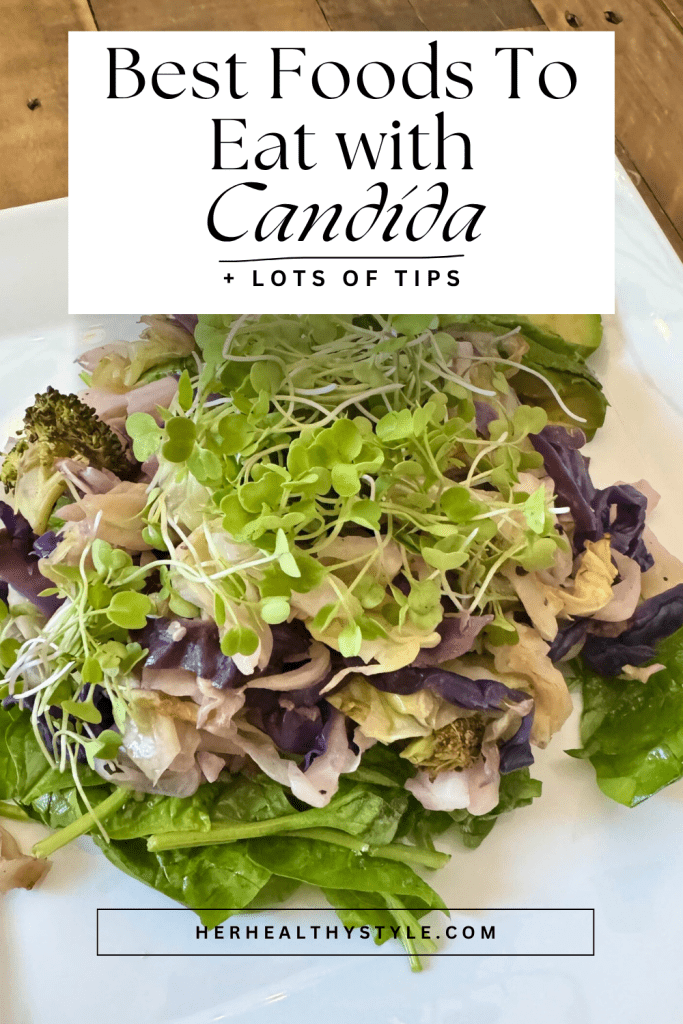
Candida is a type of yeast found in the gut, in the mouth, vagina, and/or on the skin. While candida in and of itself is not the problem (it’s more than fine when it’s in check!), it’s when the fungus overgrows – when there is an imbalance of healthy bacteria and yeast – that it wreaks havoc on us. This overgrowth is called candidiasis. When we have plenty of healthy bacteria outweighing the yeast, it’s easier to stay in check, but when our body is compromised for whatever reason or our immune system takes a hit – often times both – Candida overgrows. Best Foods To Eat With Candida + Lots of Tips
The information on my site is for informational and educational purposes only. It is not intended to be a substitute for professional medical advice or treatment. Please consult your healthcare professional for all medical advice. I’m just a girl sharing through my experience and what I have learned along the way.
Best Foods To Eat With Candida + Lots of Tips
What causes Candida overgrowth?
Several factors can be causes for candida overgrowth: lowered immune system, antibiotics, birth control, a high sugar and refined-carbohydrate diet, diabetes, high alcohol, chronic high stress, hormonal changes
What caused my Candida overgrowth?
I noticed my craving for carbs and sweets really heighten suddenly all while eating plenty of Japanese sweet potatoes and fruit. My tongue started looking whiter too. At the same time my skin started acting up with some eczema spots on my butt/thighs (I do realize heavy metals can be related to eczema too, but this is not the case for me). Candida overgrowth can look and feel different in each case. No one thing puts our body out of balance generally either.
I stopped taking my probiotics for a couple of weeks. I was trying out the Coconut Cult yogurt every morning in place of my probiotic. While fermented foods feed the good bacteria in our gut, they also feed Candida/yeast. This is a largely conflicting topic, but I 100% believe this through my experience and research. Fermented foods are great when our yeast is in check, but clearly mine was too high. I was also eating more starches and carbs (still all non-refined) than usual during this stretch and clearly not enough greens and vegetables to balance them out like I usually do. While I am a big fan of healthy starches and think bananas and potatoes in particular can be healing for other gut symptoms, when it comes to candida overgrowth, I now think super high starch levels should be avoided regardless of how healthy of a food they are. I avoided these starches the first month and plan to slowly reintroduce them month 2 or 3 and see how I feel. This is me; we are all different.
I was also on the go more during this time and around others who had just been sick, and while I felt great, I’m sure my immune system took a bit of a hit. Our gut and immune system is related; when the immune system takes a hit, so does our gut. Another thing that stands out for me is that I was often laying in my sauna blanket and Candida on the skin can overgrow with warm, moist environments. I highly doubt it, but it may have helped contribute to my round eczema spots (nummular or discoid eczema which is not contagious and can’t be spread to others) on the back of my thighs & behind. So, no, I don’t believe the overgrowth is from one single thing, and nor do I fret or stress over any of it. I just know I’ve got an imbalance and am working on getting myself back in balance. A stressful mind will only slow down healing. A positive, grateful attitude that my body is working in overdrive to get me back in balance will greatly help me along. Along with an adjusted diet and taking Candida fighting supplements of course.
This experience has taught me so much more about Candida, health in general, my body, and tweaks I need to make going forward even after my Candida gets back in check. Remember we are not trying to eliminate Candida from our body, but rather lower it enough so that the good bacteria outweighs the yeast. I’m grateful my bout of overgrowth is lower as I still have energy and feel like myself, but I know what it’s like to have super high overgrowth too. If this is you, I feel for you. Hang in there. I’ve wrote an extensive post here, sharing as much as I can think of, in hopes to help you in some way. Remember this is just my experience and knowledge to the best of my ability. Always do you and research for yourself as well. If something I do isn’t working for you, don’t do it. Listen to your body and tweak as you go. I continually do this. If this is all new to you, writing a journal of what you eat each day is really helpful. You can see how you feel a few hours after or possibly the day after and record any info. Eventually you might start to see a pattern of things.
My past experience with Candida.
When I was fighting Candida yeast overgrowth in the gut years ago, I learned from Medical Medium to treat the root cause – which points to strep bacteria. This included eating his specified anti-bacterial foods and supplements like raw onion, raw garlic, ginger, turmeric, celery juice, cayenne, bananas, raw honey, arugula, kale, sweet potatoes, squashes, coconut meat, coconut water, herbs, and taking specific supplements – Vitamin C, zinc, oregano oil, goldenseal, lemon balm, and cats claw. He also says Candida does not feed on natural fruit sugar, but it does feed on sugar from grains and corn. This made sense to me so I ate lots of fruit during my healing process. However, eating lots of fruit and specified starches (bananas and sweet potatoes), has not worked for me this time. At least in the first month. I’m still including the bolded words. Greens and vegetables have been the healing food for me this time along with a little fruit. Thankfully I feel great this time though, have energy, and am very clear minded (no brain fog) despite this yeast overgrowth. Due to this, I have been able to pivot quickly with the various teachings I’ve learned along the way when something isn’t working for me.
To elaborate….
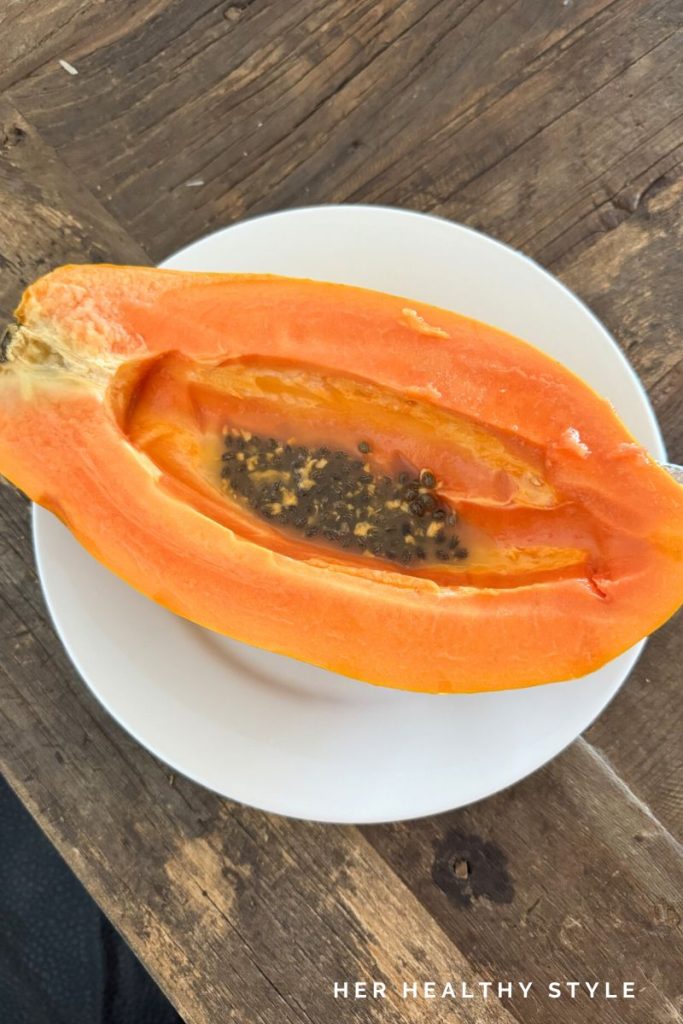
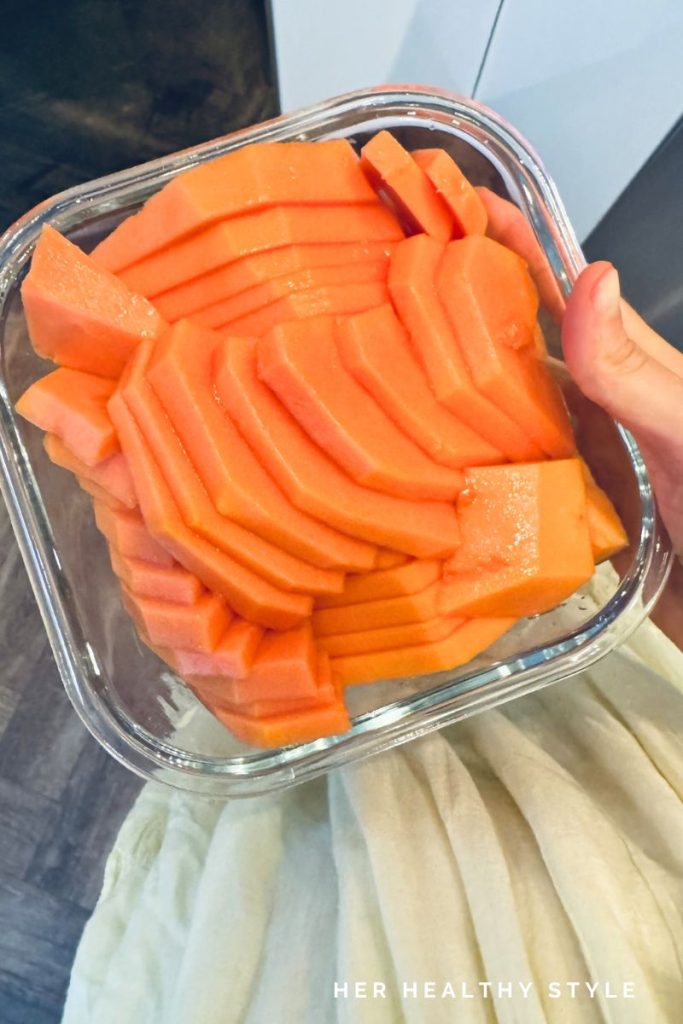
I’ve tried eating more fruit a few different times this past first month since it’s hard for me to believe that more fruit wouldn’t help. Raw fruit is so cleansing! I’m a huge fruit fan. However, I’ve learned that I need to stick to specific low sugar fruits that seem to be fine for me and keep it to a minimum (at least for a bit). A lot of watermelon has not worked for me in one sitting for breakfast (something I normally do just fine with). Although it is a low sugar fruit, it’s made up of mostly water, so it’s more like liquid fruit juice. The starchy bananas have not worked for me in smoothies. I even tried 2 apples one day figuring I was over the hump and that they are so high in fiber that it would be more than fine, but no, too high of sugar for me at that point. Granted I realized I had them as a late afternoon snack after having a salad with baked veggies earlier for lunch. According to Dr. Group which I quote further below, fruit is fine on an empty stomach, but after other food it feeds Candida. I’ve always believed it’s best to eat fruit on an empty stomach, but I never thought about it in this Candida aspect. I now eat fruit in the morning on an empty stomach first and then 30-45 minutes later I have protein chia pudding. I consider it all breakfast, but have separated the fruit for now. I’ve been doing 1/4 extra large papaya and 1 cup berries mostly, but I want a variety of nutrients, so I rotate in apples, kiwi, grapefruit, and oranges as well. I don’t do any fruit later in the day right now.
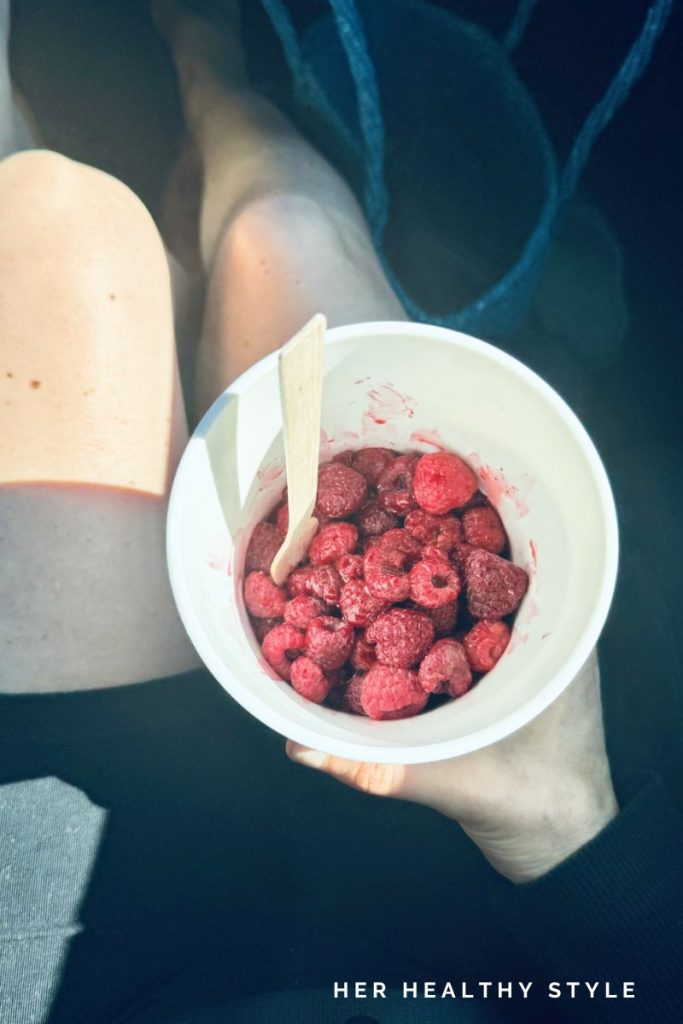
The fruits and potatoes that I didn’t do well with were foods I eat super often too, but the sugars were now affecting me with this yeast overgrowth. I realized I needed to pivot and stick to certain low sugar high fiber fruits in the morning (raspberries, berries, papaya, kiwi, grapefruit, oranges) only and focus on the greens and veggies, especially the cruciferous veggies.
In addition, I realize that I was dealing with a wider range of health symptoms the last time I was healing. I couldn’t pinpoint what was helping or hindering gut yeast overgrowth specifically. I share this solely incase it can help you in any way or you can relate to any of it.
This experience has opened my eyes to different insights with internal yeast overgrowth. Instead of feeling negative towards any of what I thought was concrete info in the past, I feel more empowered and grateful since I’m learning even more tips for healthy living as well as what not to do. Of course I will eventually add more fruit and healthy starches like bananas and sweet potatoes back in as they are amazing foods otherwise. It’s why a coined “healthy food” isn’t always the right food depending on what we are dealing with. Update: 2 months in, I added sweet potatoes back in alongside a salad or green vegetables and am doing great with them again.
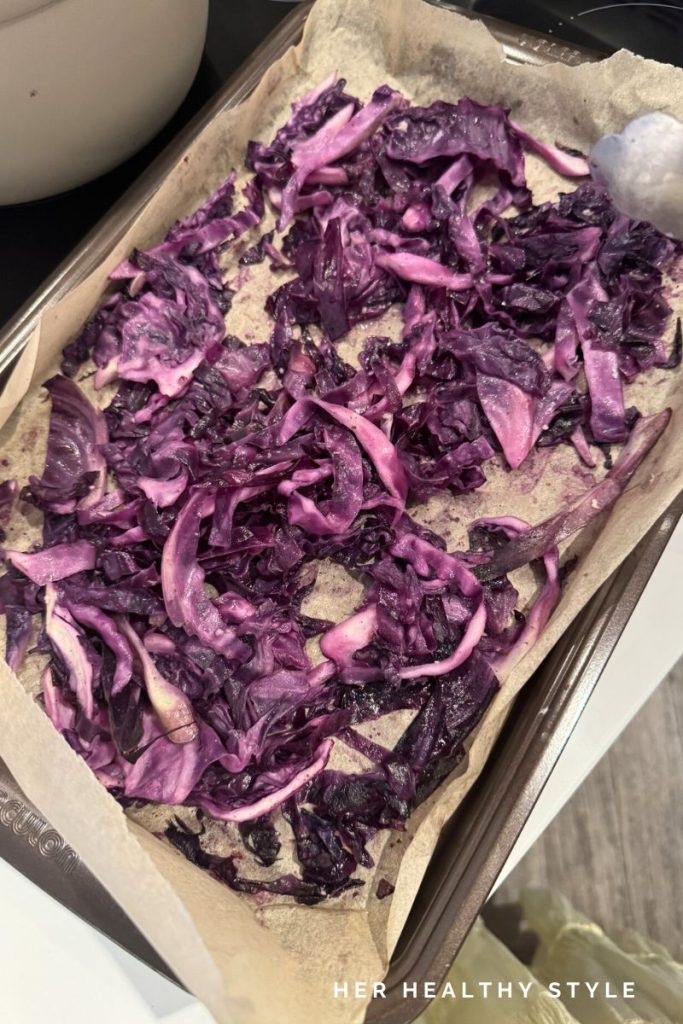
Anyways, there are many factors and I don’t believe much is black and white, but during this period, I’ve focused on lots of leafy greens (spinach, kale, arugula, microgreens) and cruciferous veggies (broccoli, cabbage, cauliflower). I stuck to 100% raw the first two weeks and have since added in baked cruciferous veggies, simple homemade veggie soups, and heated up kelp noodles and zoodles on occasion. I added in cooked to make it easier on me to continue on and also give me a wider variety of foods/meals/nutrients. I thoroughly enjoy baked sheet pans of cabbage, broccoli, and cauliflower. Plus adding in cooked foods slows down detox which can be beneficial depending on overgrowth and die-off symptoms. And being too rigid or strict for too long often bites us in the butt in other ways and different deficiencies arise. As time passes, I plan on continually introducing foods back in little by little. More fruit will be the first one for me.
If you are healing candida overgrowth right now or on your own health journey, I hope you too find new ways to make meals and actually enjoy them. We can take what we learn and apply it forward. I’ve too been inspired to change up some things for myself even after I’m back in balance.
Best Foods To Eat With Candida and Fight Overgrowth
- Crushed raw garlic cloves – I have 1-2 a day crushed on a salad or in guacamole. I’ll include raw onion here too.
- Aloe – amazing for the gut and skin. I like this bottle. I think it works better than my previous homemade aloe shots.
- Raw ginger – I add a chunk of raw ginger to a morning green juice almost daily. I’ll sometimes make ginger lemon shots too. I use the Nama J2 Juicer to make a daily juice. discount code RIANE55 saves on all at Namawell.com
- Coconut oil – the caprylic acid found in MCT and coconut oil fights the fungus. It’s also beneficial for candida overgrowth on the skin. Just use caution when wearing nice clothing or sleeping on nice new sheets if using on your skin as oil can stain. Also raw coconut chunks are great. I had these on vacation for breakfast with fruit instead of chia pudding.
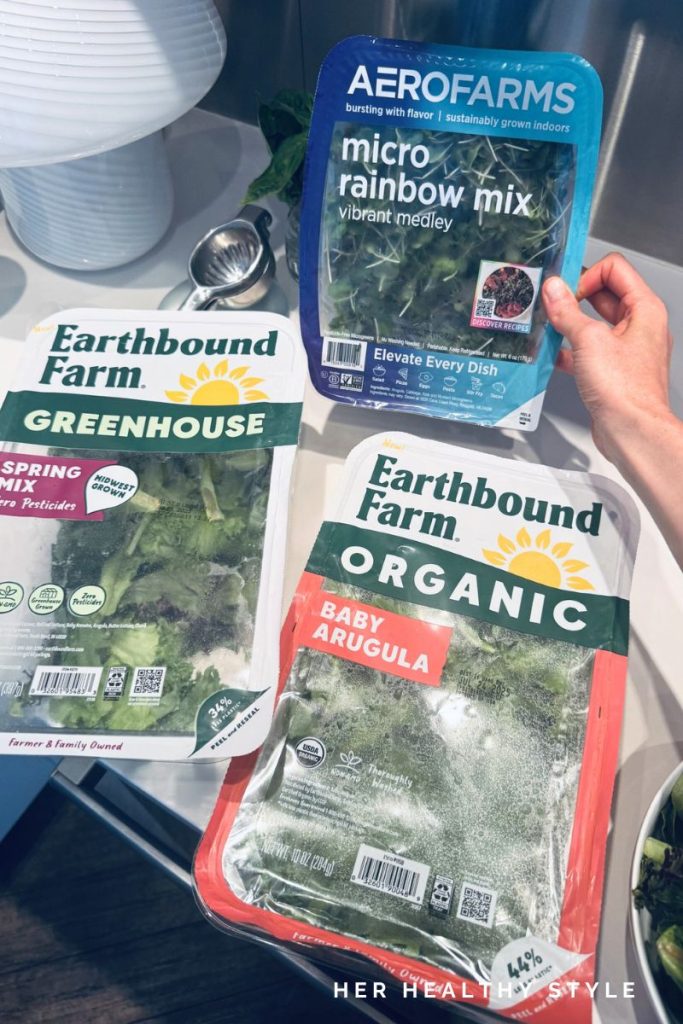
- Lots of leafy greens like spinach, arugula, and kale – I add to green juices and salads. Lets just say, greens, greens and more greens. Whatever raw greens, sprouts, and microgreens I can get in on a given day, the better.
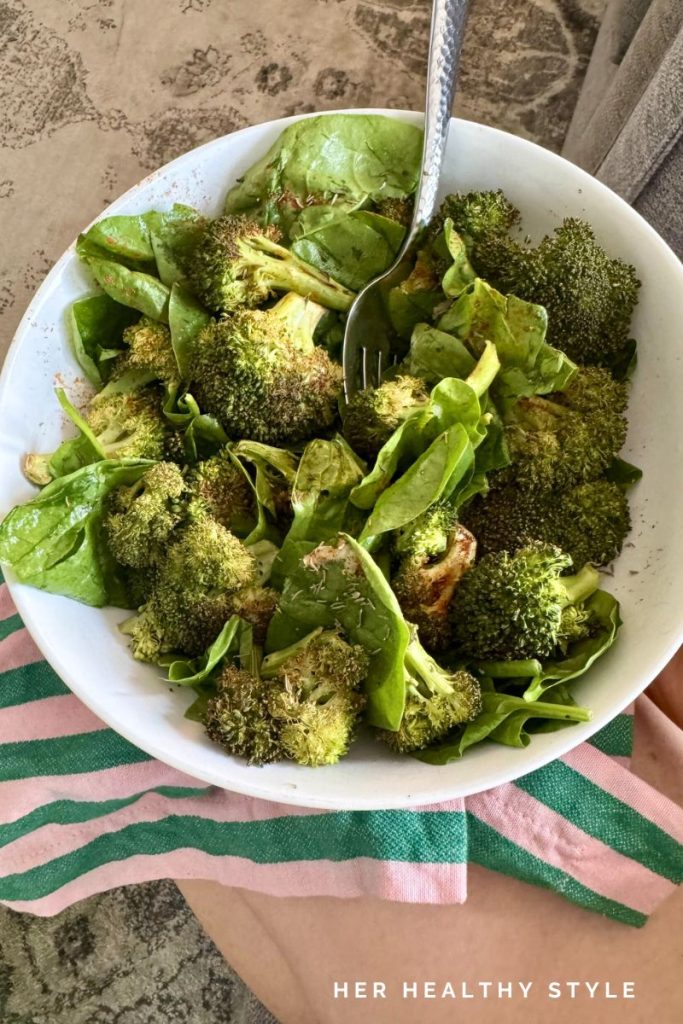
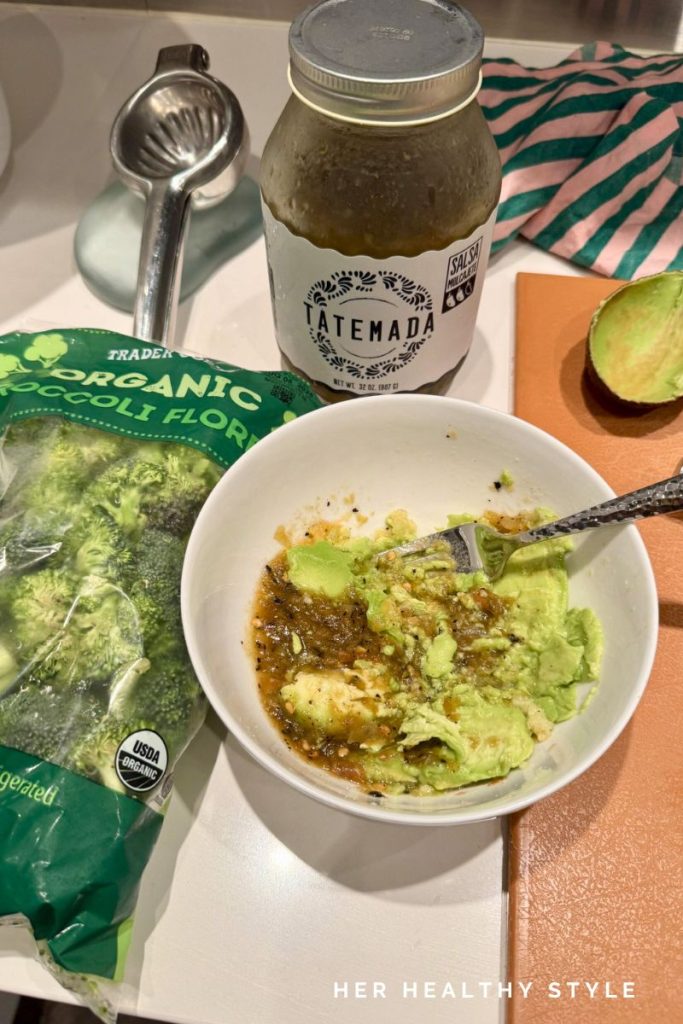
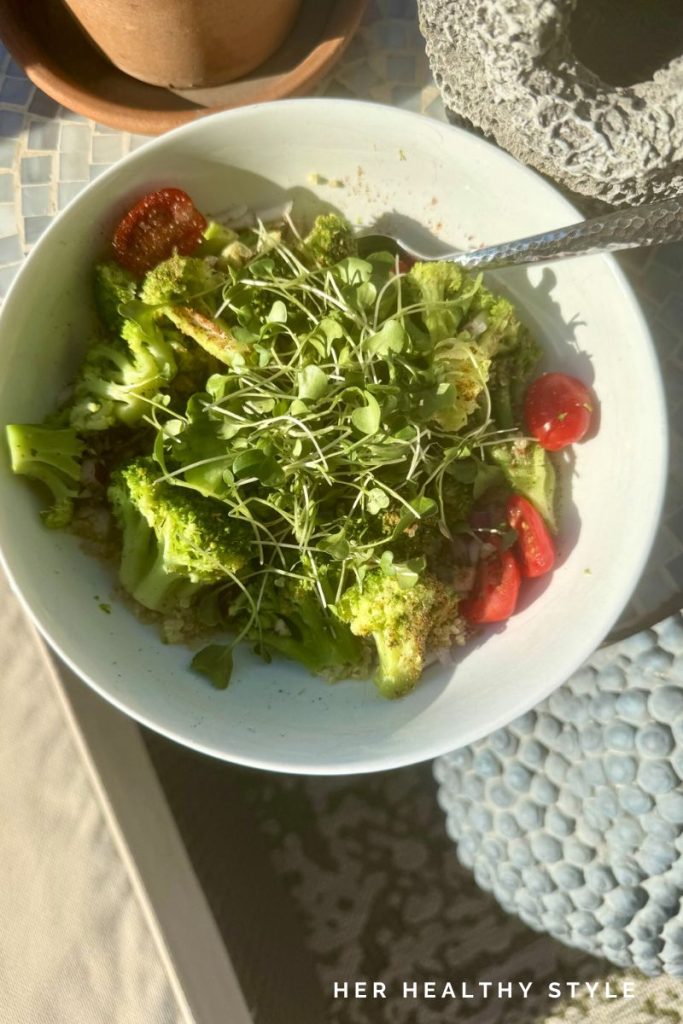
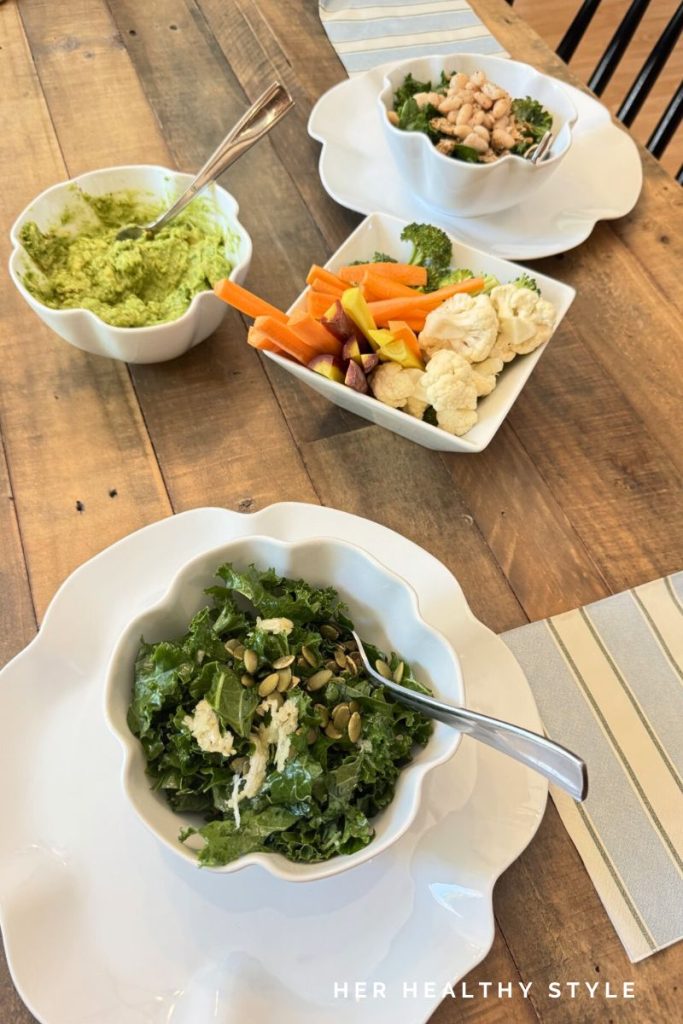
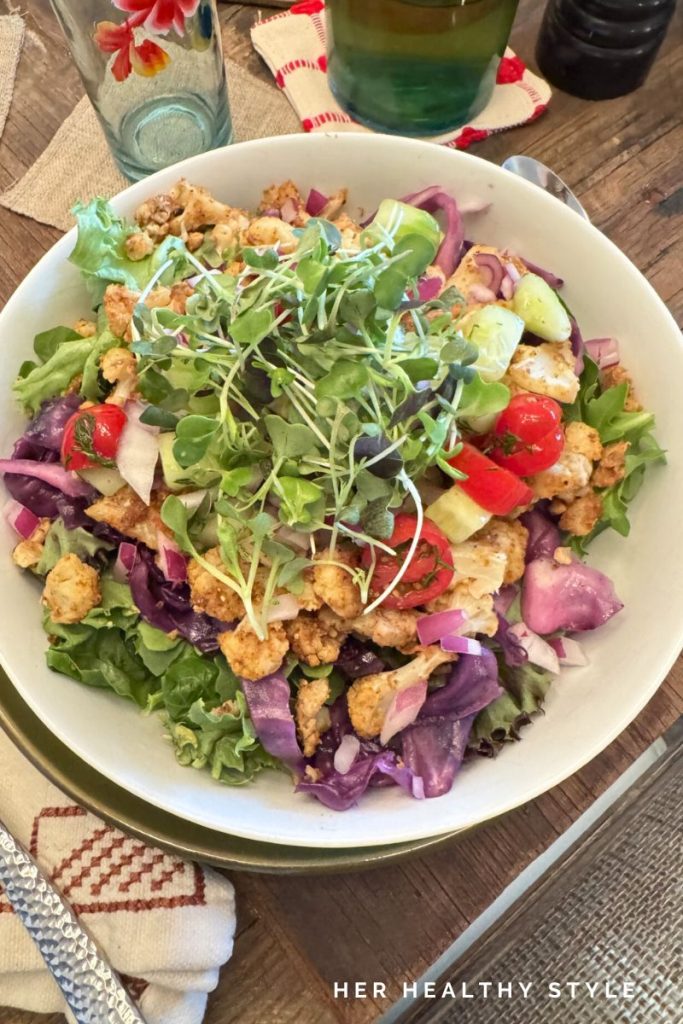
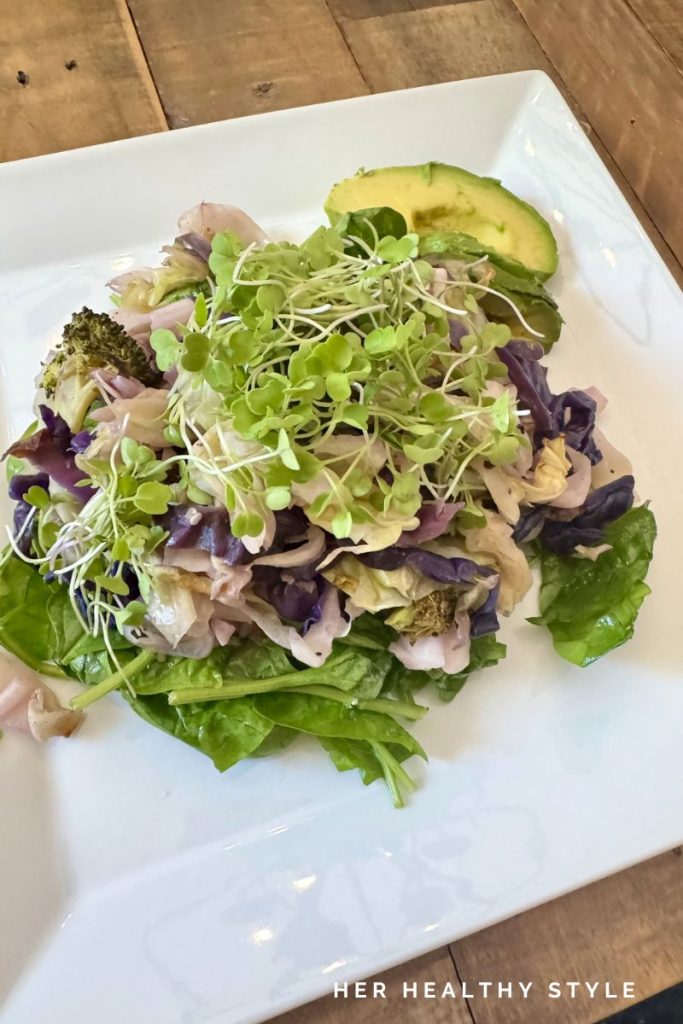
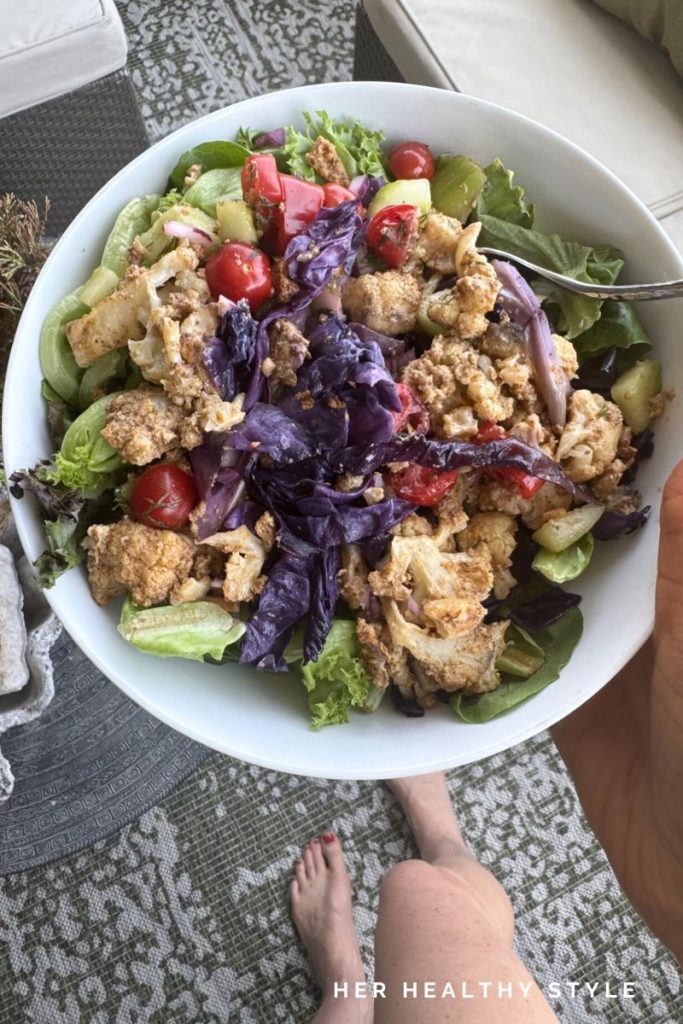
- Cruciferous veggies are a key one in many sources across the web for healing Candida and many other health symptoms since they are incredible at bringing down inflammation in the body. Broccoli, Cauliflower, Brussels, Cabbage, Kale, Arugula. I do believe raw is best for faster healing for Candida, but I want to still enjoy life and food so I also bake and steam to keep me going on this specific diet. It’s easy to eat raw in summer, but come Fall and Winter, our bodies want warmth and more cooked foods and I honor this. As for raw, I’ll buy a bag of organic broccoli or cauliflower and mash up an avocado with raw garlic, raw onion, cayenne, lemon juice or lime, a pinch of sea salt, and tomatoes to use as a dip. That guacamole dip gets me to eat a lot of raw broccoli and cauliflower that I wouldn’t normally eat. Or I’ll do half salsa (without vinegar) and half of an avocado mixed together. As for cooked, I’ll roast a sheet pan of cabbage, broccoli, and/or cauliflower, sprinkled with ground mustard powder on them at 400 degrees (about 20 minutes for cabbage and broccoli and around 40 for cauliflower). I’ll often add them to a simple salad of raw leafy greens like spinach or arugula tossed with minced garlic, a small bit of olive oil or avocado, and lemon juice. I’ll then sprinkle on beneficial spices like cayenne and thyme when I remember and feel like it.
- Fresh lemon and lime juice. I add to water, fresh green juices, on my papaya, on salads, …basically anywhere I can.
- Ceylon Cinnamon – I add this anywhere that makes sense. Hot tea drinks (ex) roasted dandelion, chamomile, ginger), iced chicory “coffee”. Clove is really beneficial too, so I’ll sprinkle clove powder in some things too.
- Turmeric is incredibly anti-inflammatory. You can also take in supplement form. I’m currently taking Kinder Thoughts which contains saffron and turmeric – an amazing mix with MCT oil – all great for the gut and skin. Raw turmeric is powerful juiced too, if you juice.
- Omega 3’s – flaxseed and chia seed – Freshly ground flax and chia have much more available Omega 3’s than whole seeds since our body can’t break down the outer shell of a whole seed as well. Our body better absorbs the Omega 3’s when they are ground. We don’t want to buy the pre-ground flaxseed though either; freshly ground is best. Buy the whole seeds and freshly grind them in a coffee grinder or similar before adding to dishes or a smoothie. I am still incorporating whole chia seeds in my chia pudding though as it still has plenty of other benefits. I also eat salmon for Omega 3’s, but not often enough. I aim for 1/4 cup freshly ground flaxseeds or chia seeds a day right now. Omega 3’s are super anti-inflammatory and healing.
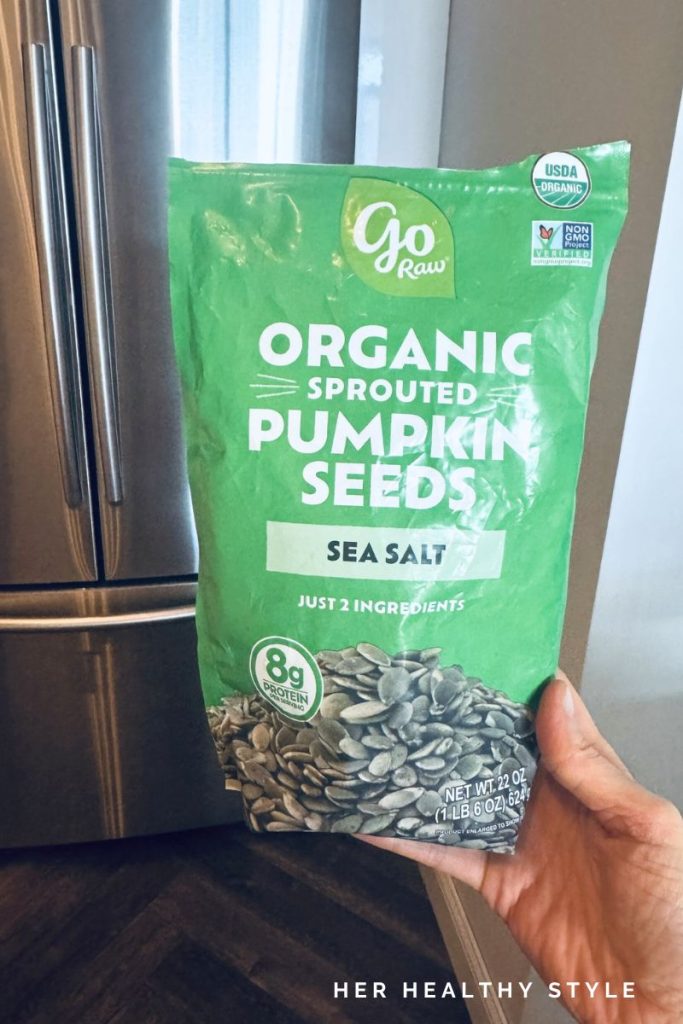
- Pumpkin Seeds – contain antiviral, antifungal, and anti-parasitic properties, it’s a good source of Omega 3″s, and they are high in zinc which helps inhibit Candida overgrowth. Good for Candida skin symptoms too. pumpkin seed protein powder has been super helpful to me
- Cayenne – anti-fungal – I’ll sprinkle on salads, baked veggies, and/or guac.
- Olive Oil – I’ve been adding this to my baked veggies after they are cooked on occasion. It lets me cut down on using too much oil and the benefits stay in tact since I’m not heating it at a high temperature.
- Herbs -fresh and dried – especially thyme (it’s anti-viral and anti-bacterial – I often make thyme tea with fresh thyme), oregano (antifungal, anti-bacterial herb), fresh basil, fresh mint, cilantro, parsley, rosemary. Herbs are incredibly healing, so I’ll add them wherever I can when I have them on hand.
- Propolis – I’m choosing to avoid the ever amazing raw honey with Candida due to Dr. Group saying to avoid honey with Candida as he believes honey can feed yeast (& he is for fruit with candida as long as it’s on an empty stomach). I am however taking the anti-fungal, immune boosting Propolis twice a day. I think it’s a major one for fighting Candida and disrupting and inhibiting it’s biofilms. If it’s your first time ordering from VIMERGY all together, use this link for 20% off your entire first purchase
- Papaya with some of it’s seeds. This was my breakfast most mornings the first month. It’s an amazing gut and skin healer if you are able to find ripe papaya by you. It’s helpful with bad bacteria, yeast overgrowth, parasites, and so many different skin symptoms. The spicy seeds are edible as well and contain amazing digestive enzymes. They are extremely potent for ridding yeast overgrowth, worms, and parasites. Since the seeds are more detoxifying, be careful to not overdo it. I eat a spoonful with my papaya or just swallow some seeds (their is benefits both ways). Papaya is best eaten alone on an empty stomach, especially with Candida. I add a whole lime or lemon squeezed on it as well. Here is a reel of how I eat it.
- Raspberries are very low in sugar and a great fruit to help with blood sugar regulation which is extra important when experiencing a Candida overgrowth. I often buy frozen organic berries and unthaw them for breakfast.
Does fruit feed Candida?
Although I’ve shared that I still eat specific high fiber, lower sugar fruits and am finding them super healing without any adverse reaction (papaya, raspberries, kiwi, grapefruit/mandarins), I’m eating them in the morning and on an empty stomach. I’ve found my groove with the fruits that work for me and have kept them to the morning for the time being. Although I don’t follow any one person’s teachings anymore and have learned what works and doesn’t through my own trial and error along with lots of internet research, this statement from Dr. Group may be helpful to you. He’s the doctor behind Global Healing.
Though there is some debate over whether fruit should be included on the Candida diet, I recommend consuming some fruit while on the Candida diet, provided you eat it in conjunction with your body’s biological rhythms.
By that, I mean that fruit should be eaten by itself in its whole, fresh state (do not combine it with other non-fruit foods), and wait thirty minutes to one hour before eating anything else.
This is important because consuming fruit sugar alone causes it to alkalize your bodily fluids while providing essential nutrients, which helps kill Candida overgrowth. Conversely, if you consume fruit with other foods, such as starches or proteins, it turns to glucose which feeds Candida.
In a nutshell: fresh, whole fruit eaten by itself in the morning is anti-Candida; fruit eaten with other foods feeds Candida. Be sure to avoid fruit juice, canned fruit (which typically has added sugar), and dried fruit (which have a concentrated sugar content).
Best Vegetables & Greens With Candida
The more vegetables and leafy greens the better. I largely focus on cruciferous for veggies – cabbage (red and white), broccoli, cauliflower, brussels – and eat a wide variety of leafy greens. Spinach, kale, arugula, dino kale, mustard greens, dandelion greens, micro-greens, sprouts, fresh herbs, fennel, celery, cucumber, zucchini, asparagus, bok choy, bell peppers, and some tomatoes.
Are nuts okay with Candida?
Pumpkin seeds are the best seeds for candida, but raw almonds and brazil nuts are fine to eat too. Still watch how you feel with all. Write that food journal for the time being if you need to. Avoid cashews, walnuts, pecans, pistachios, and peanuts due to their higher possibility to contain mold/fungus during this time.
What Gluten-Free Grains I Eat with Candida
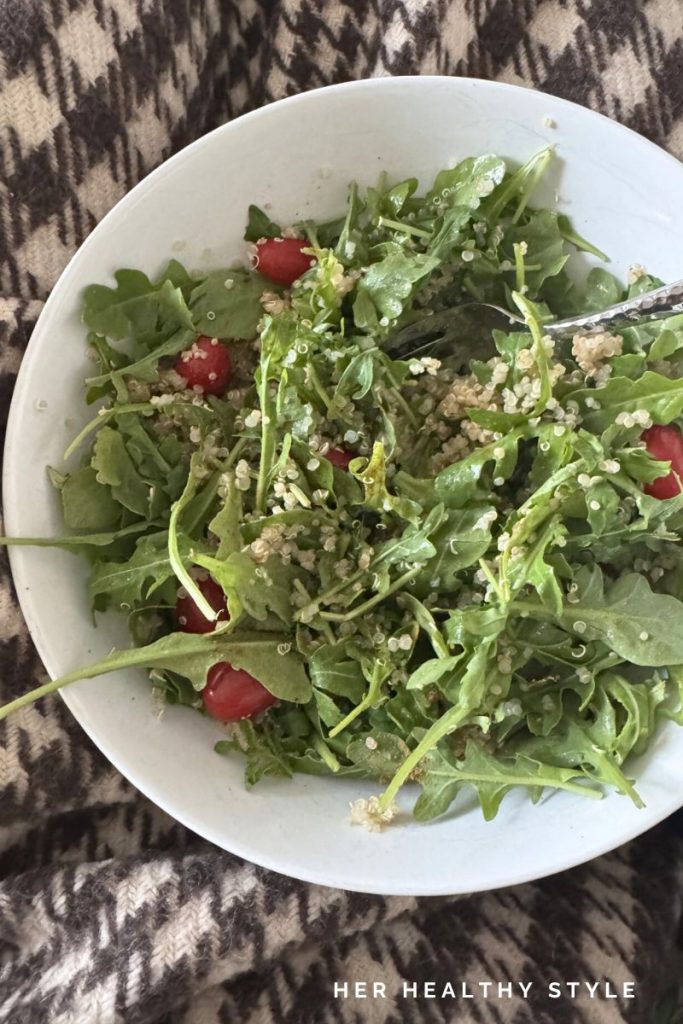
I introduced quinoa back in on week four and steel cut oats on occasion week five to get in some whole grains and reintroduce more foods. I still keep the focus on the greens and veggies, but these help satisfy me, keep me enjoying along the way, and give me more balance and variety. I plan to introduce wild rice and brown rice in eventually as I’m slowly transitioning little by little. I’ll just pay attention to how I feel as I go and invite you to do the same.
Can I eat beans and lentils with Candida
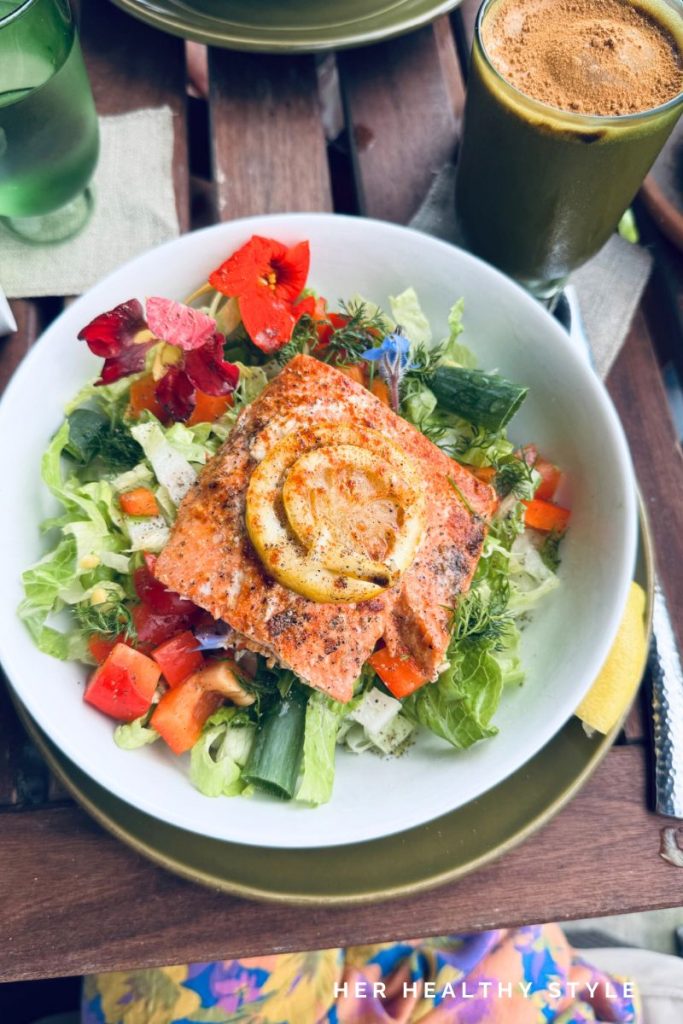
I choose to skip the starchy beans and lentils for awhile as the sugar in beans can feed Candida. Eventually I’ll introduce back in lentils first, but I’ll start with small amounts and see how I feel. Lentils and beans are a big part of my diet normally, so as soon as I tolerate them well enough, they will be back in. I don’t eat meat, but I do eat fish, so I include salmon sometimes for dinner.
What are the best fats with Candida
The best healthy fats for Candida overgrowth are freshly ground flax and chia seeds, flax oil, chia oil, coconut oil, coconut meat, avocados, pumpkin seeds, and high quality olive oil. I add small amounts of olive oil to baked veggies after they’ve been baked to retain more of the nutrients and benefits from the olive oil. I’ll also make a simple garlic, lemon, olive oil or avocado, sea salt dressing to toss salad greens with. Always do what you feel best for you.
How To Go Out To Eat On Candida Diet
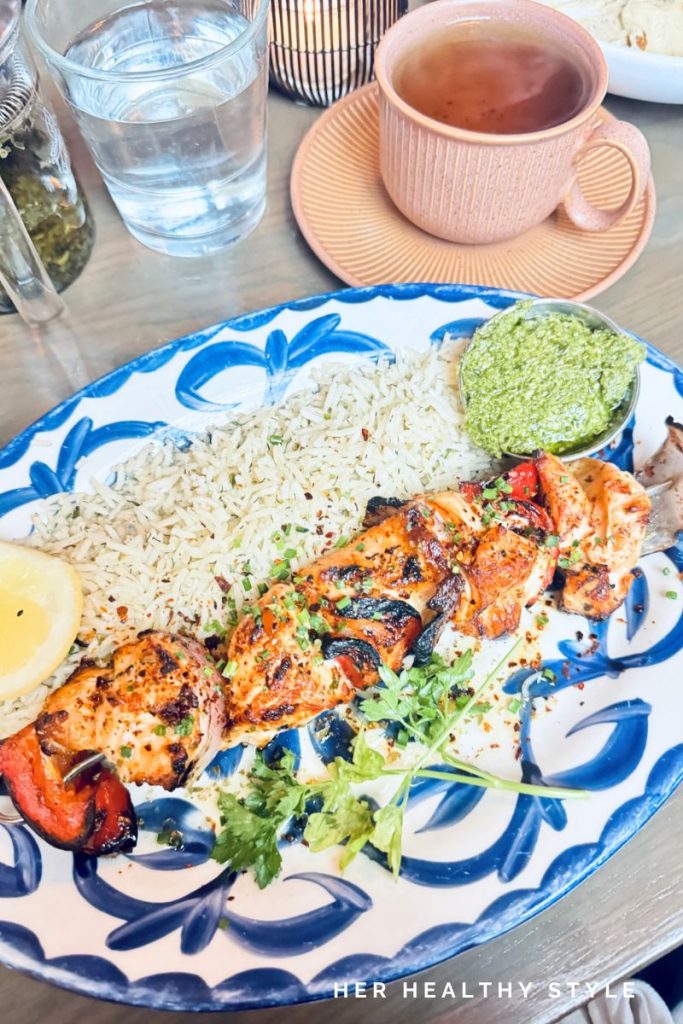
Going out to eat can be harder with following a candida diet, but I’ve found ways to do it. I’ll order simple salads and omit toppings if needed. I’ll order a side of avocado and lemons to act as my dressing often times. I’ll have salmon with steamed veggies. Steamed veggies with olive oil, salt, and pepper and guacamole with veggies are other options I’ve had. I basically check the menu before going to see if there is something I can tweak for my needs. Look to the sides. I can often order a few sides and make a meal from that.
What Drinks I Have With Candida Diet
- herbal teas (ginger, fresh thyme tea, chamomile, mint, cinnamon, clove, licorice, pau d’arco)- a small bit of monk fruit powder as a sweetener when I want it
- Chaga tea – I’ll add to chicory and other herbal teas like ginger.
- instant chicory coffee alternative
- homemade unsweetened almond milk (almonds and water) and unsweetened coconut milk – this coconut milk powder with one ingredient is really helpful sometimes. I’ll add to teas.
- water with lemon
- water with unsweetened cranberry juice splashed in it
- This Kimberly Snyder glowing greens powder has been really helpful for me mid-day during this time. It’s sweetened with monk fruit powder which is nice for the bit of sweetness. I add to a 32 oz jar of water or cold herbal tea. It’s an easy way to get in more water too.
- I’ll have Matcha on occasion
Foods I Avoid With Candida
- sugar – the only sugar I’m having is natural sugars found in specific fruits which I’ve shared above (I’m avoiding maple syrup and honey for the time being, but I am taking propolis)
- no fruit juice except for unsweetened cranberry juice (splashed in water mainly) – My fresh juice each morning is solely green juices (celery, cucumber, dino kale, fresh herbs, lemon, ginger)
- gluten & yeast containing foods
- starchy foods – beans, lentils, bananas, squash, potatoes – this is temporary remember- I will slowly start to add them back in when I see fit. Staying much lower carb than I did prior, but also remembering that carbs are our body’s primary source of energy
- fermented foods – I believe they feed good gut bacteria, but they also feed yeast/candida – not a problem when candida is in check/balance, but a problem when there is an overgrowth
- no yogurt of any kind for now due to fermentation or dairy
- refined carbs
- no refined oils – sticking to coconut oil, olive oil, flax oil, chia oil
- alcohol
- coffee – if you can’t function without your coffee, at least drink a cleaner, mold-free brand
- no beans or lentils – after 2-3 months I will slowly introduce lentils again in small amounts paired with some leafy greens and baked veggies. Once I know I feel fine with the small amounts, I’ll up it.
- For nuts, I’m sticking with raw pumpkin seeds and almonds – sometimes brazil nuts – no cashews, pecans, pistachios, or walnuts due to higher mold exposure
- processed foods
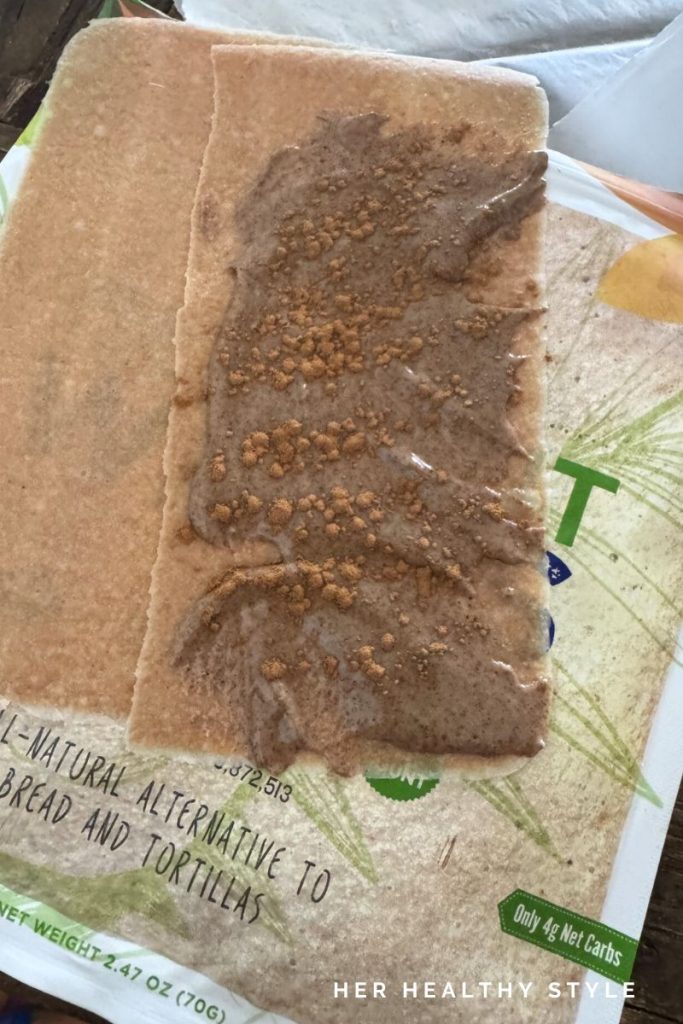
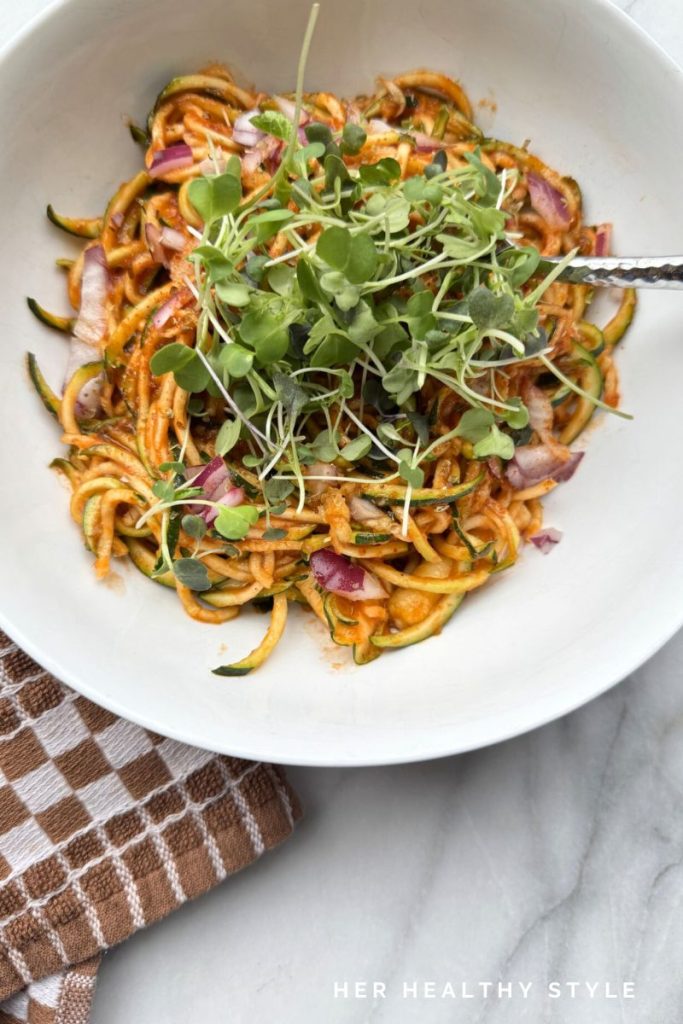
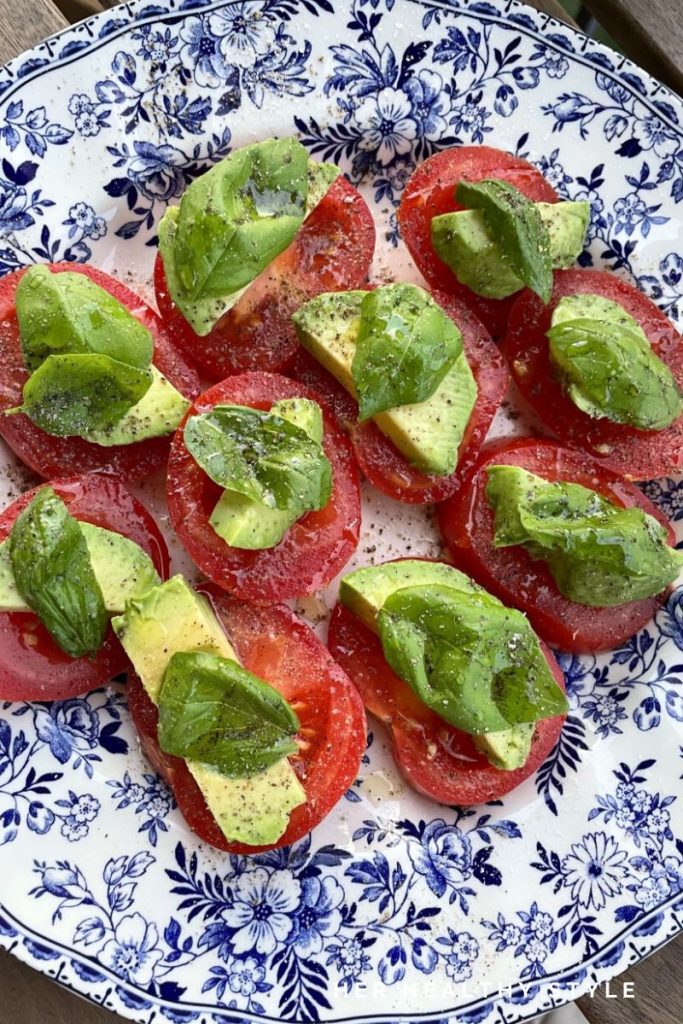
Examples and pictures of what I eat and drink on a Candida diet:
- 32 oz lemon water with minerals first thing in the morning – I aim for 96 oz+ water daily
- hot herbal tea, chaga tea, chicory coffee
- 12-16 oz fresh green juice – celery, cucumber, dino kale, fresh herbs, lemon, ginger
- Breakfast: papaya with one lime or lemon squeezed on along with a spoonful of the spicy peppery seeds most days, berries, chia pudding – medjool dates might help you transition if you had a big sweet tooth – just pay attention to how you feel
- A small amount of monk fruit powder has been helpful to sweeten things like teas and chia pudding.
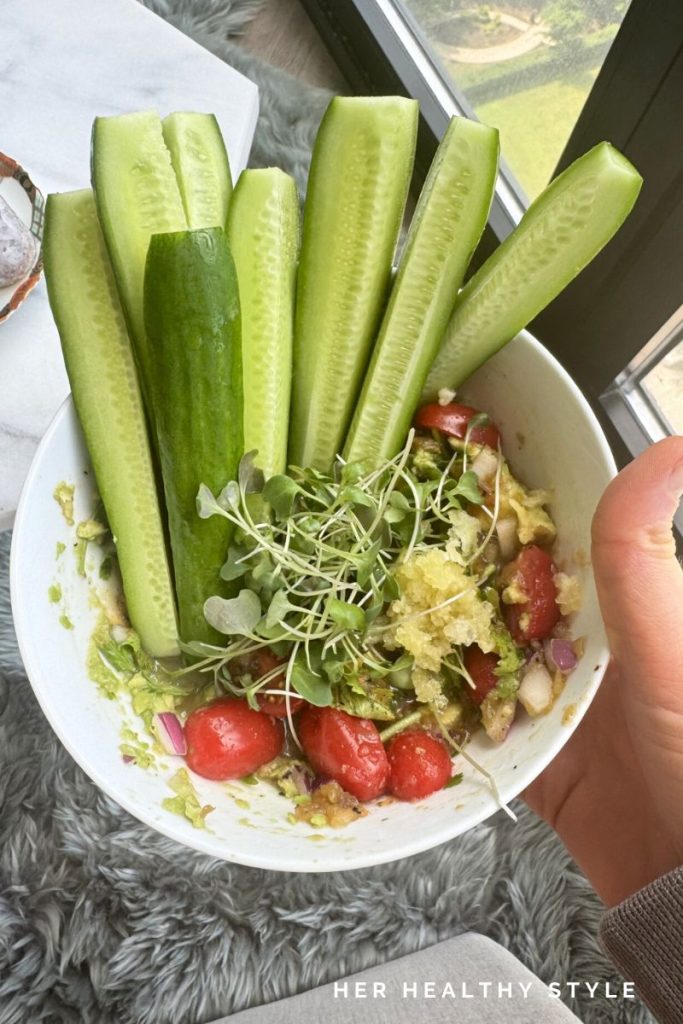
- Raw veggies for lunch. I’ll buy a bag of organic broccoli or cauliflower and mash up a whole avocado with raw garlic, raw onion, cayenne, lemon juice or lime, a pinch of sea salt, and tomatoes to use as a dip. That guacamole dip gets me to eat a lot of raw broccoli and cauliflower that I wouldn’t normally eat. If I’m sick of broccoli or cauliflower, I’ll do cucumbers or celery. I’ll buy clean store-bought guac when I’m on the go too. This will eventually get old, so this is temporary. Also, we need variety in our gut. The more colors the better eventually.
- Kimberly Snyder’s Glowing Greens Powder mixed with 32 oz of water between lunch and dinner. It’s sweetened with monk fruit, so it’s like having a little something sweet and gives me an energy boost. I’ll sometimes add this powder, spirulina powder, and beet root powder, to a 32 oz jar of cold water.
- handful of pumpkins seeds
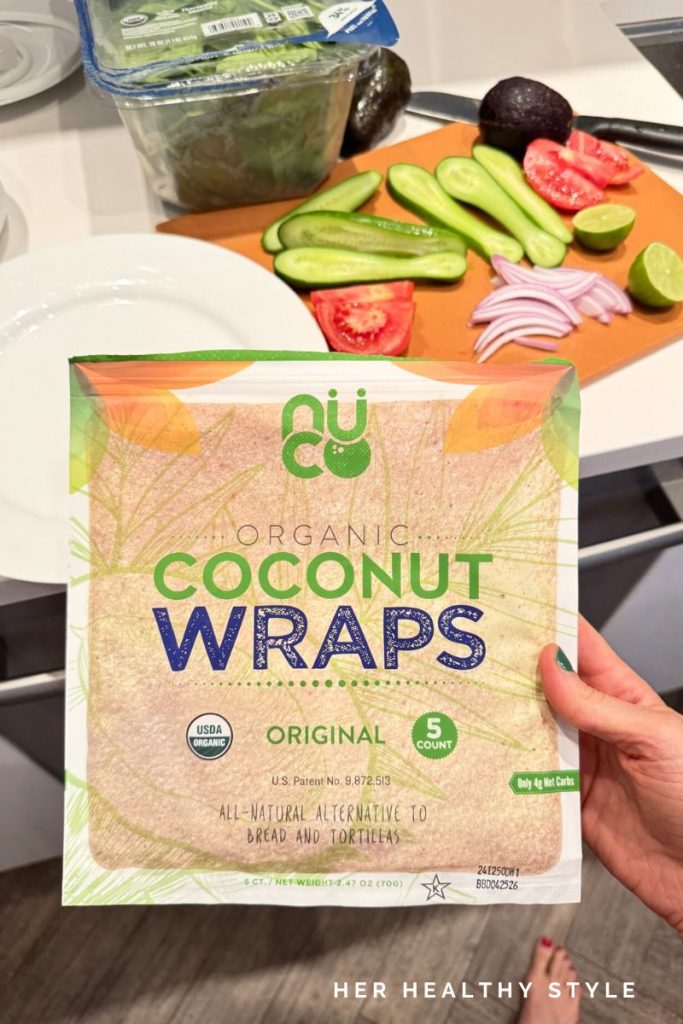
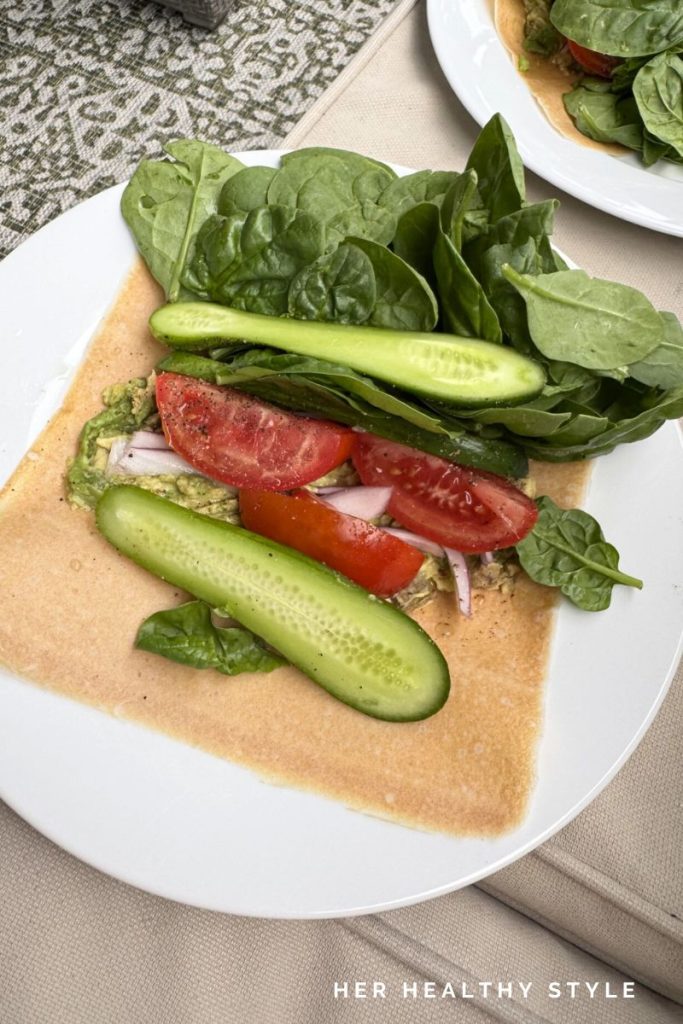
- various dinners: big salad with roasted cruciferous veggies tossed in a small bit of olive oil, cayenne, salt, and pepper on top of arugula or spinach, zoodles with clean red pasta sauce, kelp noodles with pasta sauce, extra simple veggie soups, Broccoli & Arugula soup, coconut wraps with avocado and veggies, this zucchini hummus without beans is helpful with guests over, nori wraps with avocado, veggies, cilantro or sprouts, and a lime squeeze
- almond milk has been super helpful for me during this time. I make homemade with just soaked almonds and water, but the 3 ingredient Califia almond milk is unsweetened or MALK are easy to buy. I’ll add it to teas and chicory coffee so it seems more filling and satisfying. Unsweetened coconut milk is good too. Just read ingredients when buying packaged goods. I really like this powder too.
- going out to eat can be trickier, but it’s manageable. I order various simple salads, guacamole, sides of steamed veggies with olive oil salt and pepper, salmon and grilled veggies (if you eat fish)
- homemade soups with veggie broth or coconut broth with tons of quality spices feels grounding and if you are reading this during Fall or Winter – I would be having this daily. This coconut turmeric broth is a good one during this time.
- frozen riced cauliflower might be helpful to you
- a piece of 100% dark chocolate sometimes – listen to your body
- I’m also starting to transitioning from snacking during the day to eating more filling meals – especially at breakfast and lunch so that I don’t need to snack. If our food does not have time to digest before eating more food, it can ferment, causing more gut issues. I didn’t follow this for years and while previous teachings helped me in one way, they contributed to other symptoms. Always do you. I truly believe there is not one exact way and our bodies are all different. Just sharing my story. I eat fruit on an empty stomach around 8 ish and finish the rest of my breakfast -chia pudding around 8:45ish. Lunch is around 1 and dinner around 5. I try not to snack in-between, but I also listen to my body and eat more around my cycle. I also didn’t switch cold turkey. Like I said, it’s been a transition for me.

Some Prebiotic Foods I Eat On Candida Diet:
- garlic
- onion
- chicory
- Asparagus
- Dandelion greens
Candida Die-Off
That first 1-2 weeks might be rough depending on your overgrowth levels, but after you get over the hump, you’ll hopefully start to gain more energy again. Taking supplements speeds up healing (and I highly recommend), but can make you tired while your body works at lowering the levels. This subsides with time.
How long does it take to heal Candida
No one can tell you an exact anything. It depends on how disciplined we are with diet, what supplements we are taking, how high of an overgrowth, etc. When you feel like the yeast is in check, slowly start to introduce other healthy foods one at a time. Do this in small amounts and see how you feel. You live in your body and you are the only one that can feel the changes and see what works for you and what doesn’t. Remember to not think or stress about the length of time too much. If you are being consistent with helpful food and supplements, your body will eventually balance itself out. You’ll also learn so much to apply forward with you along the way!
Ways to heal Candida faster:
- Get plenty of sleep. Sleep repairs cells while we sleep and getting plenty of rest when healing is extra imperative.
- Keep stress as low as possible. Ashwaganda or Holi Basil may help.
- Sweat it out and workout if you have/once you have energy. Don’t underestimate daily walks.
- Help your lymphatic system – dry brushing, rebounding, lymphatic massages, red clover tea
- Epsom salt baths help draw out toxins, but if you have some eczema, just know hot baths may inflame them so don’t spend too long in there.
- Focus on supporting your immune system just as much as your gut.
- Be grateful for your body working overtime to get you back in balance. A grateful mind helps all.
- If you eat something and you have a flare-up, don’t get super discouraged. Just take it as a learning lesson and keep moving forward. No regrets, just lessons learned. It doesn’t put you back at square one either. I was eating certain olives here and there during the first month, thinking the ones I were eating were not fermented. Well, I realized after the fact that they are. I moved on and you should too. Just. keep. going. Consistency wins.
Living a healthy lifestyle is an ongoing active thing. We must continue to do, learn, and tweak along the way as our bodies change and imbalances happen. It’s a lifetime journey. Also, imbalances don’t happen overnight or from one specific thing generally, so when our bodies do come out of balance, give it some time. We are not going to heal faster if we stress about healing. A calm, grateful state will help the most. Stress is the enemy for healing.
I truly hope some of this info helps you with your healing! Always listen to your own body and educate yourself as much as possible. Stay lighthearted and keep enjoying life while healing, Xx Riane @herhealtystyle – P.S. checkout the supplements post below too
This post contains affiliate links, which means I may make a small commission at no extra cost to you. I am only featuring items I love. As an amazon associate, I earn from qualifying purchases. Thank you so much for your support! See my full disclosure.